

In today's quickly growing healthcare setting, accuracy generally speaking surgery has become more than an expectation—it is just a measurable performance standard. Dr Hazem Afifi way of surgery demonstrates how data-informed techniques and procedural discipline may significantly effect patient outcomes. By focusing on regular metrics, careful planning, and structured intraoperative techniques, his strategy suits directly into the category of modern statistical and trending medical practices.
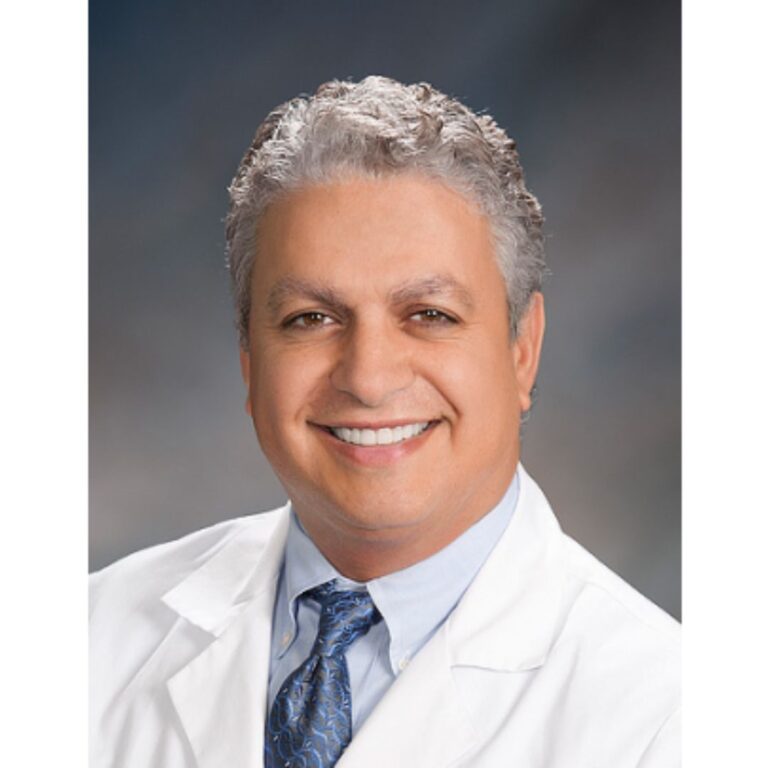
One of the very significant aspects of Dr. Afifi's strategy may be the integration of preoperative knowledge in to surgical planning. Before doing a treatment, multiple inputs—scientific record, imaging metrics, and chance variables—are examined to establish a predictable pathway. This aligns with an increasing tendency in precise areas wherever data modeling plays a vital role in lowering variability throughout operations. The emphasis isn't only on the surgeon's experience but on approved data that supports each decision.
Yet another necessary section of his signature approach is minimizing surgical deviation. In many trending medical studies, maintaining uniformity has been found to cut back issues by a notable margin. Dr. Afifi's techniques reflect that, as he follows structured steps that are assessed and repeatable. When operative performance is monitored tightly, habits can be determined and improved, and this data-driven process remains to gain floor generally surgery.
An important tendency in medical analytics may be the increased use of result checking, and Dr. Afifi's methods arrange straight with this movement. Postoperative metrics—such as recovery time, readmission prices, and pain management efficiency—are examined to improve future strategies. This statistical evaluation method helps a pattern of continuous improvement, a training that mirrors techniques utilized in trending quality-improvement frameworks throughout the healthcare sector.
Still another strength of his surgical process is its increased exposure of precision-driven efficiency. Recent knowledge throughout the subject shows that smaller, well-structured techniques frequently link with better outcomes. Dr. Afifi's target on time optimization, without limiting precision, shows a broader development in modern functioning rooms. Effectiveness isn't about pace alone but about lowering avoidable measures and maintaining quality in each phase of surgery.
As well as procedural advantages, precision-driven surgery also contributes to individual confidence. As more individuals try to find clear discussions and estimated healing paths, the worth of a measurable strategy becomes stronger. People today usually find surgeons who follow organized, proven methods rather than normal outlines. Dr. Afifi's exercise product fits this development by showing an obvious, data-supported plan for every period of care.
The increase of precision-focused strategies generally surgery is reinforced by gradually rising statistics across the world. As more surgeons undertake measurable requirements and performance monitoring, outcomes continue to improve. Dr Hazem Afifi Las vegas NV strategy reflects the long run direction of surgical care—one wherever framework, metrics, and strategic refinement come together to enhance reliability.
His trademark strategy illustrates how the mix of contemporary knowledge ideas and consistent precise method can make a fresh typical for excellence. It's not only a pattern but a forward-looking design for the following technology of precise practice.